Letters Cali Style 2026 - Playing With Pens and Pencils - Robbie Saslow
More info: https://societyforcalligraphy.org/Conferences
Playing With Pens and Pencils : More Than Mere Monoline - Robbie Saslow
CLASS DESCRIPTION:
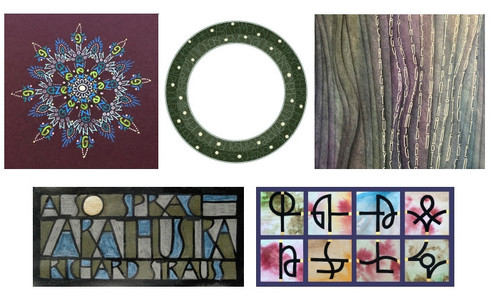
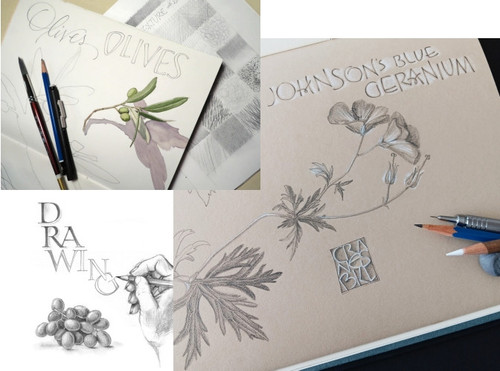
Look around your drawing table and you’re likely to see lots of pencils and pens, from colored pencils to regular graphite pencils, from delicate fine-point markers to reliable ballpoint pens, from paint markers to glittery gel pens. All of these implements lend themselves beautifully to classic mono-line letterforms, but they are also wonderfully adaptable to all sorts of fun and creative letters. After practicing a basic monoline form, we will play and create scores of our own lettering variations. Special attention will be given to Arts-and-Crafts-style lettering, to playful Roman letters, and to foreign and fantasy glyphs. Explore the versatility of pens and pencils: the fantastic, inexpensive and most readily available of all writing tools!
SKILL LEVEL: Open to All
Supplies:
A. PENS
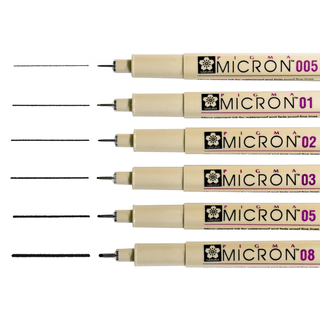
i. Fine tip markers: such as Pigma Micron, technical pens, PITT
markers, etc. Suggest a small variety of colors and sizes (don’t go
crazy), but at least something in black.
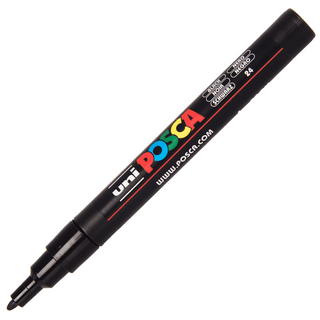
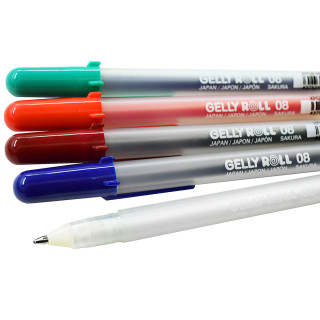
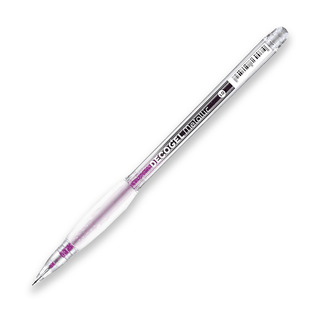
ii. Specialty pens: such as paint markers, gel pens, other interesting
pens. Whatever you have on hand and want to experiment or play
with.
B. PENCILS
i. Colored pencils: such as Prismacolors or other soft lead pencils.
Bring a selection of at least 6 colors. Don’t worry if you don’t have
a lot; there will be many to share and borrow.
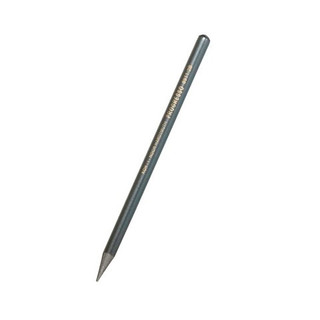
ii. Graphite pencils: bring a couple different softness levels.
C. PAINT MATERIALS
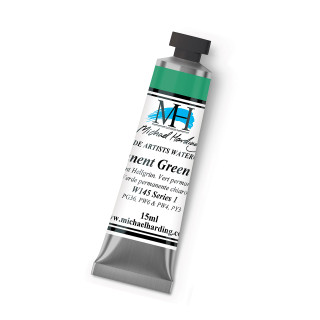
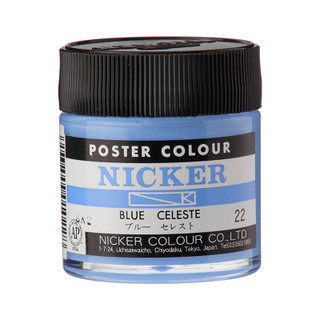
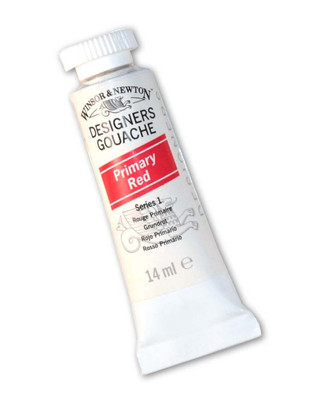
i. Watercolors/gouaches/liquid acrylics: bring a selection of your
favorite paints to do background washes and grounds for lettering
over.
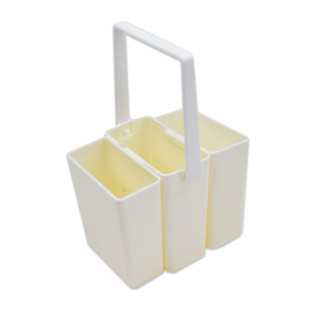
ii. Water can/bucket (bring two: one for fresh water; one for cleaning)
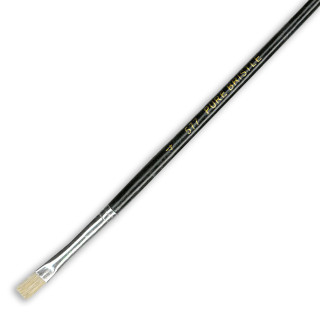
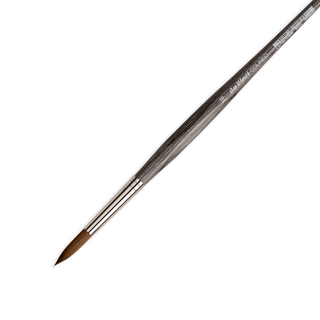
iii. Your favorite brushes, including a mixing brush.
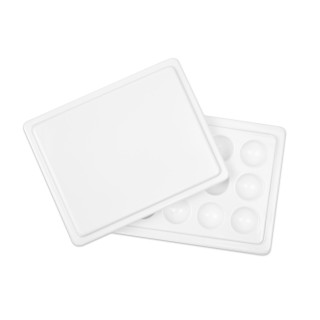
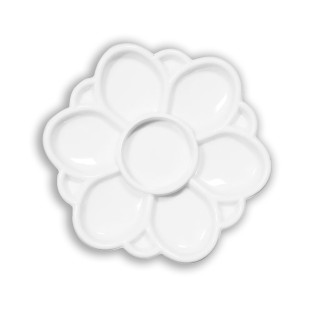
iv. Mixing palette with at least 6 mixing pans.
D. PAPER
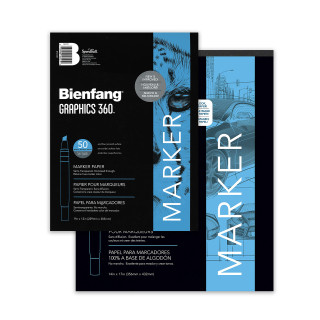
i. Bond paper: a pad 14x17 for lots of lettering exercises.
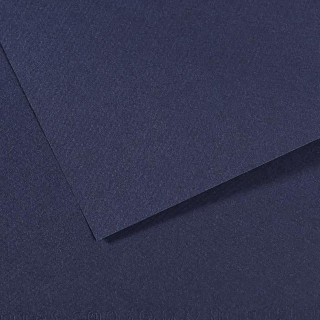
ii. 4 sheets of your favorite art paper, such as watercolor papers,
print-making papers; include at least one dark sheet (black or other
dark color). I find smoother (i.e. hot press) papers work better than
rough ones…
E. BASIC TOOLS
i. Scissors
ii. Tape (white artist’s tape or blue masking tape…you can share if
you don’t already have it)
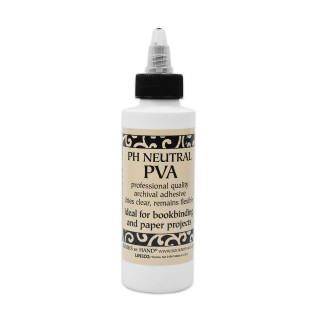
iii. Small bottle of white glue (you can share if you don’t already have
this)
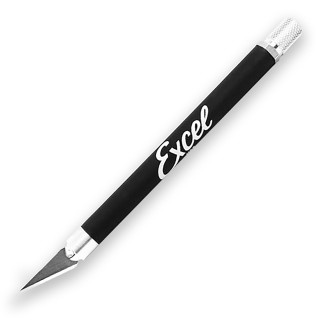
iv. X-acto knife and replacement blades
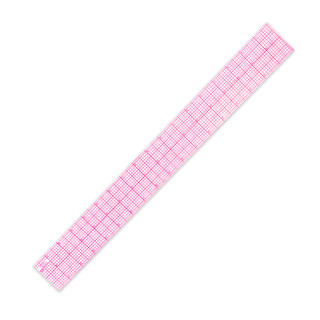
v. Ruler (at least 12 inches long)
vi. T-square, Ames lettering guide, and triangle…only if you have
them. You can share these.
vii. Other tools you like to have on hand when you work.

Playing With Pens and Pencils : More Than Mere Monoline - Robbie Saslow
CLASS DESCRIPTION:
Look around your drawing table and you’re likely to see lots of pencils and pens, from colored pencils to regular graphite pencils, from delicate fine-point markers to reliable ballpoint pens, from paint markers to glittery gel pens. All of these implements lend themselves beautifully to classic mono-line letterforms, but they are also wonderfully adaptable to all sorts of fun and creative letters. After practicing a basic monoline form, we will play and create scores of our own lettering variations. Special attention will be given to Arts-and-Crafts-style lettering, to playful Roman letters, and to foreign and fantasy glyphs. Explore the versatility of pens and pencils: the fantastic, inexpensive and most readily available of all writing tools!
SKILL LEVEL: Open to All
Supplies:
A. PENS
i. Fine tip markers: such as Pigma Micron, technical pens, PITT
markers, etc. Suggest a small variety of colors and sizes (don’t go
crazy), but at least something in black.
ii. Specialty pens: such as paint markers, gel pens, other interesting
pens. Whatever you have on hand and want to experiment or play
with.
B. PENCILS
i. Colored pencils: such as Prismacolors or other soft lead pencils.
Bring a selection of at least 6 colors. Don’t worry if you don’t have
a lot; there will be many to share and borrow.
ii. Graphite pencils: bring a couple different softness levels.
C. PAINT MATERIALS
i. Watercolors/gouaches/liquid acrylics: bring a selection of your
favorite paints to do background washes and grounds for lettering
over.
ii. Water can/bucket (bring two: one for fresh water; one for cleaning)
iii. Your favorite brushes, including a mixing brush.
iv. Mixing palette with at least 6 mixing pans.
D. PAPER
i. Bond paper: a pad 14x17 for lots of lettering exercises.
ii. 4 sheets of your favorite art paper, such as watercolor papers,
print-making papers; include at least one dark sheet (black or other
dark color). I find smoother (i.e. hot press) papers work better than
rough ones…
E. BASIC TOOLS
i. Scissors
ii. Tape (white artist’s tape or blue masking tape…you can share if
you don’t already have it)
iii. Small bottle of white glue (you can share if you don’t already have
this)
iv. X-acto knife and replacement blades
v. Ruler (at least 12 inches long)
vi. T-square, Ames lettering guide, and triangle…only if you have
them. You can share these.
vii. Other tools you like to have on hand when you work.